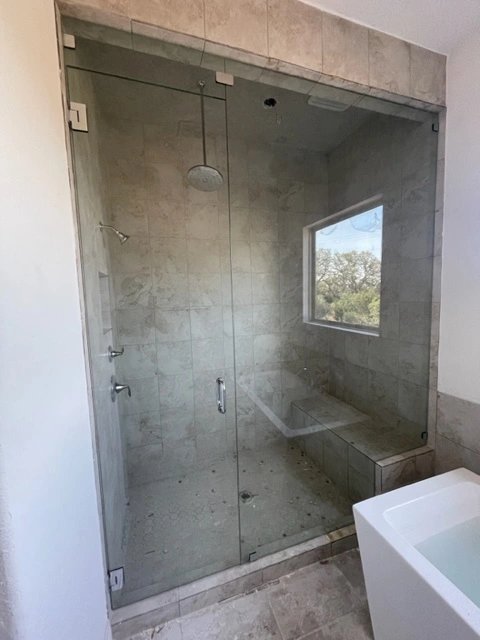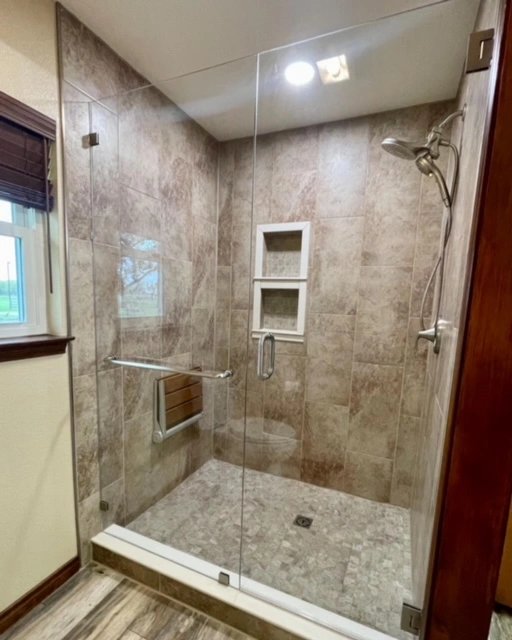
Custom glass means the project is planned around a particular application rather than selected only from a standard size. For a Central Texas property, that begins with the purpose of the installation. A shower enclosure, mirror, shelf, or tabletop each needs a different conversation despite sharing the word glass.
Describe how the finished piece will be used. Explain the location, the people interacting with it, and any important design goals. A request for a clean appearance is useful, but practical details help the installer review suitable options. The intended function should remain clear throughout the project.
Finished dimensions are another part of customization. The opening or surface may differ from a rough sketch once tile, trim, cabinetry, or other work is complete. Ask how final measurements for each piece will be confirmed. Do not assume that a nearby opening or similar piece provides interchangeable dimensions.
Visible details also shape the design. Panel arrangement, edge appearance, hardware, and glass options can influence how the installation relates to the room. Ask which choices are available and suitable for the application. A custom project still has practical limits; it does not mean every imagined configuration can be built.
Review the work surrounding the glass. Wall preparation, supporting construction, or modifications by another contractor may affect installation. Clarify who handles those tasks and how the sequence works. Keeping responsibilities separate helps explain why a glass estimate may not cover every part of a larger renovation.
Finally, approve a scope that identifies the agreed design and relevant installation details. Modern Glass offers custom glass services across its listed Central Texas communities. Bring examples of the look you prefer alongside photos of the actual space. Customization works best when the visual idea, finished measurements, intended use, and project responsibilities are considered together rather than decided independently.